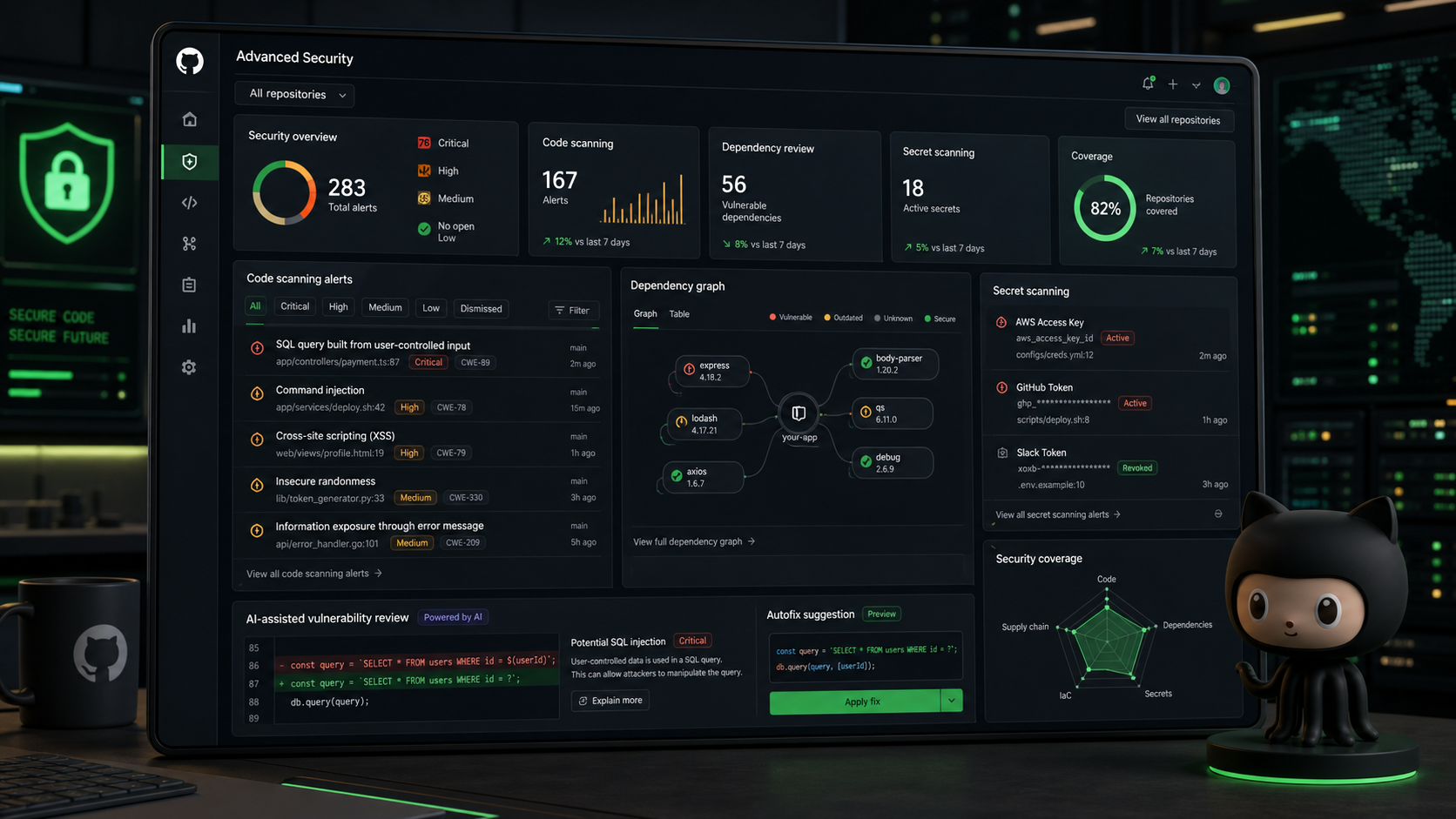
GitHub announced safer defaults in actions/checkout for pull_request_target and related workflows. The action refuses common cases where fork pull-request code is checked out in a privileged context with access to repository tokens, secrets, or caches.
TechStaged reviewed the company announcement and relevant reporting, then built this article as original analysis for readers who need to understand the operational impact rather than repeat a launch checklist.
WHY IT MATTERS
The pwn-request pattern is dangerous because a workflow can look like a normal test while executing attacker-controlled code with the permissions of the base repository. Blocking the common form at the action level prevents a class of mistakes that is easy to repeat across many repositories.
The broader shift is that technology decisions now affect budgets, permissions, customer expectations, and team habits at the same time. A useful evaluation therefore considers the full workflow, not only the headline feature.
WHAT TEAMS SHOULD CHECK
Before adopting the update, convert the news into a small implementation brief with an owner, a test case, and a rollback plan.
- Search for pull_request_target, workflow_run, and issue_comment workflows that fetch or execute untrusted refs.
- Upgrade actions/checkout and review pinned versions, inputs, and any opt-out flags.
- Move untrusted tests to a low-privilege pull_request workflow when they do not need secrets.
- Use separate jobs and tokens for code analysis, deployment, and publishing.
- Test forks and bot-created pull requests so a security fix does not silently break required checks.
RISKS AND TRADEOFFS
A safe checkout action cannot protect code pulled with git, curl, gh, or another action. Review the complete workflow and assume that any untrusted code executed in a privileged event can expose secrets.
A narrow pilot is usually the fastest way to expose those tradeoffs. Start with a workflow where the data, approval path, and success metric are clear, then expand only after the team can explain both the gains and the failure modes.
BOTTOM LINE
GitHub’s safer defaults remove a common footgun from Actions. The durable fix is a workflow design that keeps untrusted code away from privileged credentials.