OpenAI updated its ChatGPT Enterprise and Edu release notes on July 30, 2026 with more administrative control for Work and Codex. The practical change is simple: organizations now have more room to decide how agentic work runs across local and cloud modes instead of treating every user and workflow the same way.
The release notes say admins can manage Work Local and Work Cloud independently, set Fast Mode defaults with custom-role overrides from the Models page, and use a redesigned Roles and Permissions page. For companies testing Work and Codex in regulated or cost-sensitive teams, those controls are more important than another model picker.
WHY ADMINS SHOULD CARE
Work and Codex are not ordinary chat features. They can research, analyze files, use connected tools, write code, create deliverables, and continue tasks across sessions. That makes access design a security, operations, and budget question, not only a productivity question.
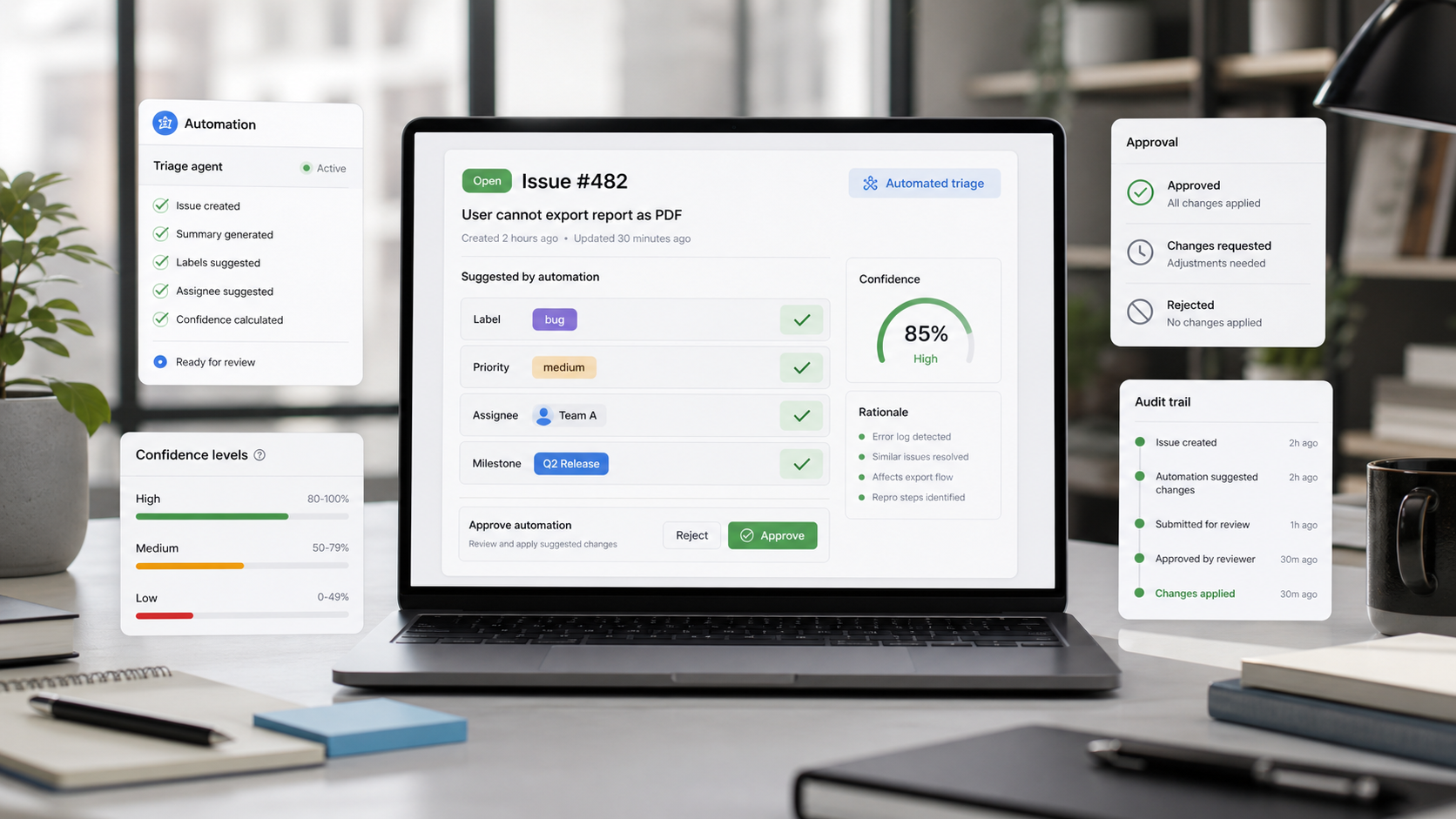
The most useful rollout pattern is to map agent access to real job functions. Analysts may need cloud work with connected files. Developers may need Codex with repository permissions. Finance or legal users may need stricter review gates and fewer external connections.
- Separate local and cloud work policies where data sensitivity differs.
- Use custom roles for high-trust teams before changing defaults for everyone.
- Review spend controls and analytics at the same time as access controls.
- Document which workflows require human approval before publication or code changes.
WHAT TO CHECK BEFORE ROLLOUT
Start with a small policy inventory. Identify which teams can use Work, which can use Codex, which tools they can connect, and whether local files are allowed. The answer should be written in admin language and in user-facing guidance.
Admins should also decide whether Fast Mode should be the default for all work or only for lower-risk tasks. Faster defaults can improve adoption, but they may not be ideal for workflows that involve sensitive documents, customer data, or code that moves into production.
LIMITS AND OPEN QUESTIONS
The release notes confirm control changes, but they do not replace an internal risk assessment. Workspace owners still need to test policy behavior, connected app access, logging coverage, and how approvals work in real examples.
Teams should also watch whether analytics are detailed enough to explain business value. Usage counts are useful, but leaders will eventually need to connect Work and Codex activity to cycle time, rework, cost, and quality.
BOTTOM LINE
This is an administration update more than a flashy product launch, but it matters. Agentic tools become easier to trust when IT can separate risky and routine work, route access by role, and adjust defaults without creating a one-off policy mess.