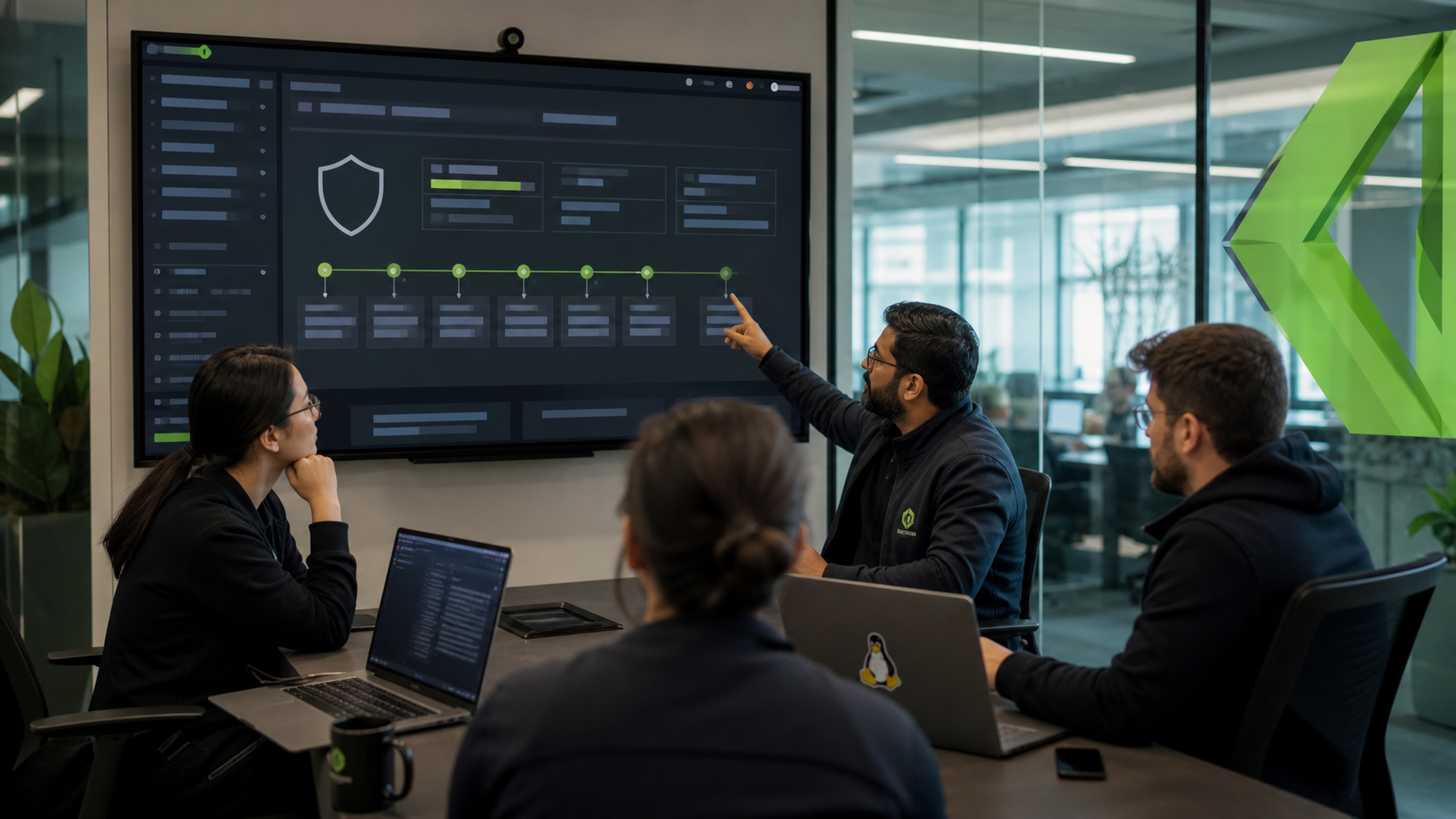
Wispr Flow has officially launched a Mac meeting notetaker after updating its terms and privacy policy for meeting data. The product can transcribe system audio without joining a meeting as a visible participant, produce summaries and action items, show a live transcript, and let users ask questions across meeting history. That positions the dictation company against established tools such as Granola, Fireflies, Read, Otter, and Fathom.
TechStaged reviewed the reported announcement and supporting public material, then wrote this article as original analysis for readers who need the business and product implications rather than a copied headline.
WHY IT MATTERS
The move expands the value of a voice assistant from producing cleaner sentences to building a durable work memory. That can improve follow-up and reduce manual note taking, but it also creates a new data store containing participant names, private discussions, customer information, and internal decisions. The product will be judged on control and trust as much as transcription quality.
The wider signal is that technology decisions now connect product strategy with infrastructure, trust, pricing, and operating risk. That makes the second-order effects more important than the announcement alone.
WHAT TO WATCH
Use the announcement as a starting point, not as proof that a market or product has already settled. Track the following signals next:
- Confirm whether system audio capture is permitted by company policy and local recording rules before enabling it for work calls.
- Review how transcripts, participant data, summaries, and meeting history are stored, deleted, and protected.
- Create a clear consent script for meetings that include customers, candidates, or external partners.
- Test action-item accuracy on overlapping speakers, technical terms, and decisions that require a specific owner.
- Measure the time saved in follow-up work instead of treating transcript generation as the success metric.
RISKS AND TRADEOFFS
Meeting assistants can silently turn conversational context into an enduring company record. A transcript that is technically accurate can still be harmful if it is retained too long, shared too widely, or presented as a definitive record when speakers were uncertain.
A measured response is to separate confirmed facts from forecasts, define who owns the decision, and keep a reversible pilot or review checkpoint before committing budget or sensitive data.
BOTTOM LINE
Wispr Flow is entering a crowded meeting-notes market with a differentiated audio-capture workflow. Teams should evaluate the data boundary first and the summary quality second.