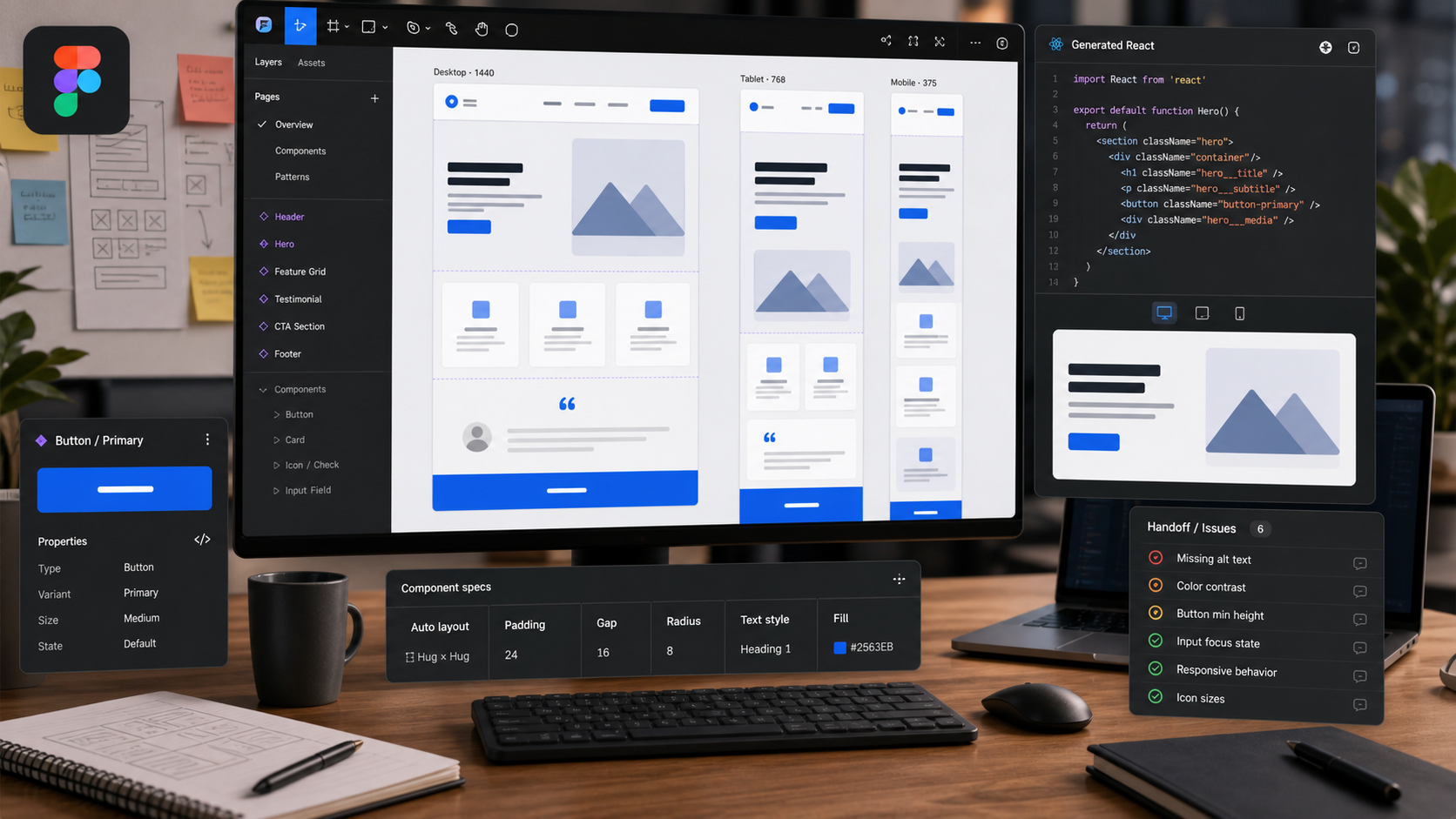
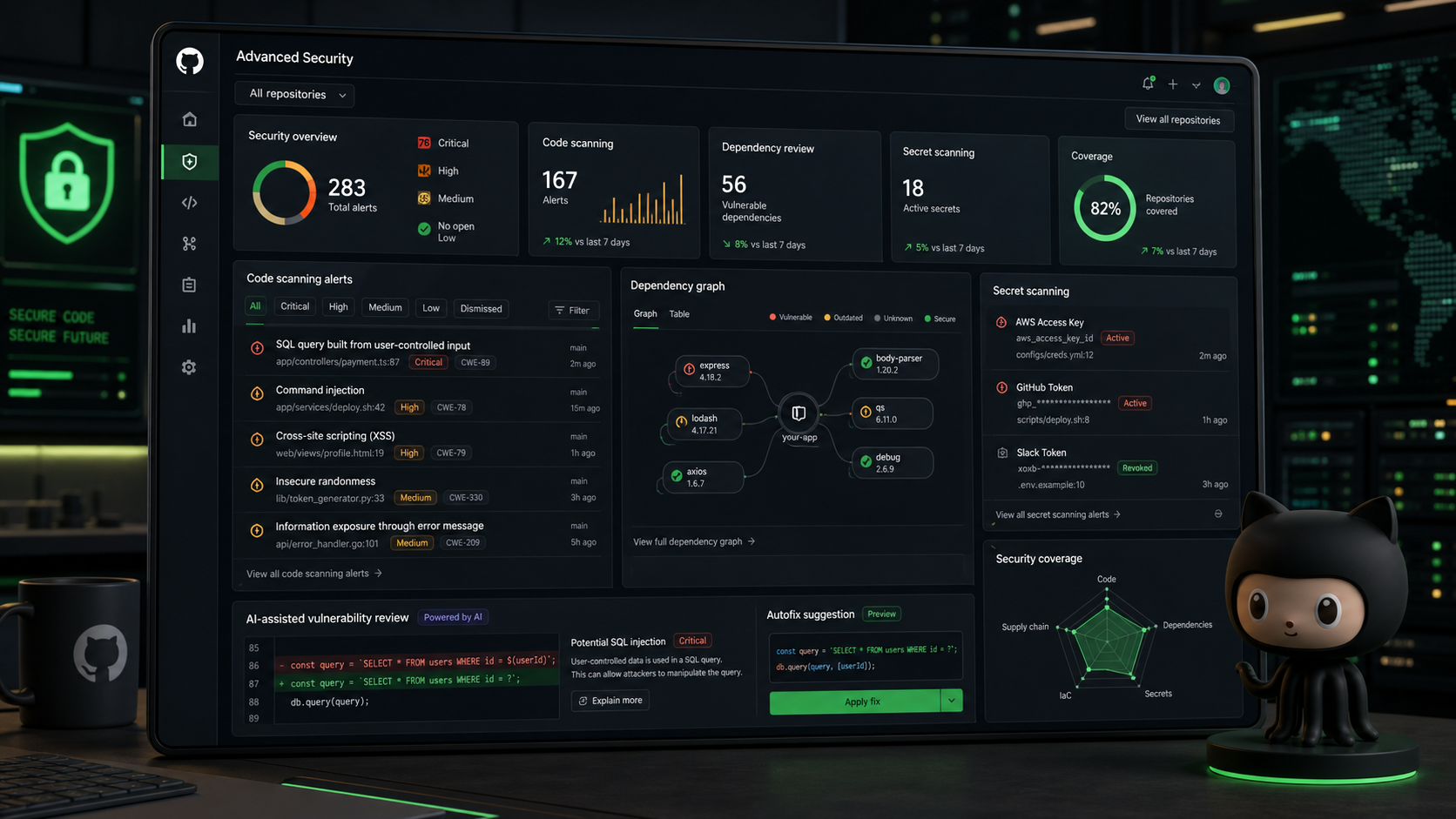
Developer platforms are judged by how quickly users can build without guessing. API documentation, OpenAPI definitions, examples, and changelogs are part of the product experience.
The OpenAPI Specification gives teams a standard way to describe HTTP APIs. A changelog then explains how that contract evolves over time.
WHY IT MATTERS
Clear API change communication reduces support tickets and failed integrations. It also makes sales and partner teams more confident when customers ask about platform reliability.
A good changelog tells developers what changed, who is affected, what action is required, and when old behavior will stop working.
SELECTION CHECKLIST
Make changelog entries actionable for developers who maintain production integrations.
- Group entries by breaking change, deprecation, addition, bug fix, and documentation update.
- Link each major change to endpoint references, examples, and migration steps.
- Include dates, affected versions, environments, and deadlines.
- Keep OpenAPI definitions synchronized with shipped behavior.
- Provide test examples for common migration paths.
RISKS AND TRADEOFFS
The main risk is vague language. Saying an endpoint was improved does not tell a developer whether their integration needs work.
The tradeoff is maintenance. Better docs require release discipline, but they prevent repeated support explanations and broken customer builds.
BOTTOM LINE
API changelogs should be operational documents. Tell developers exactly what changed, why it matters, and how to migrate safely.