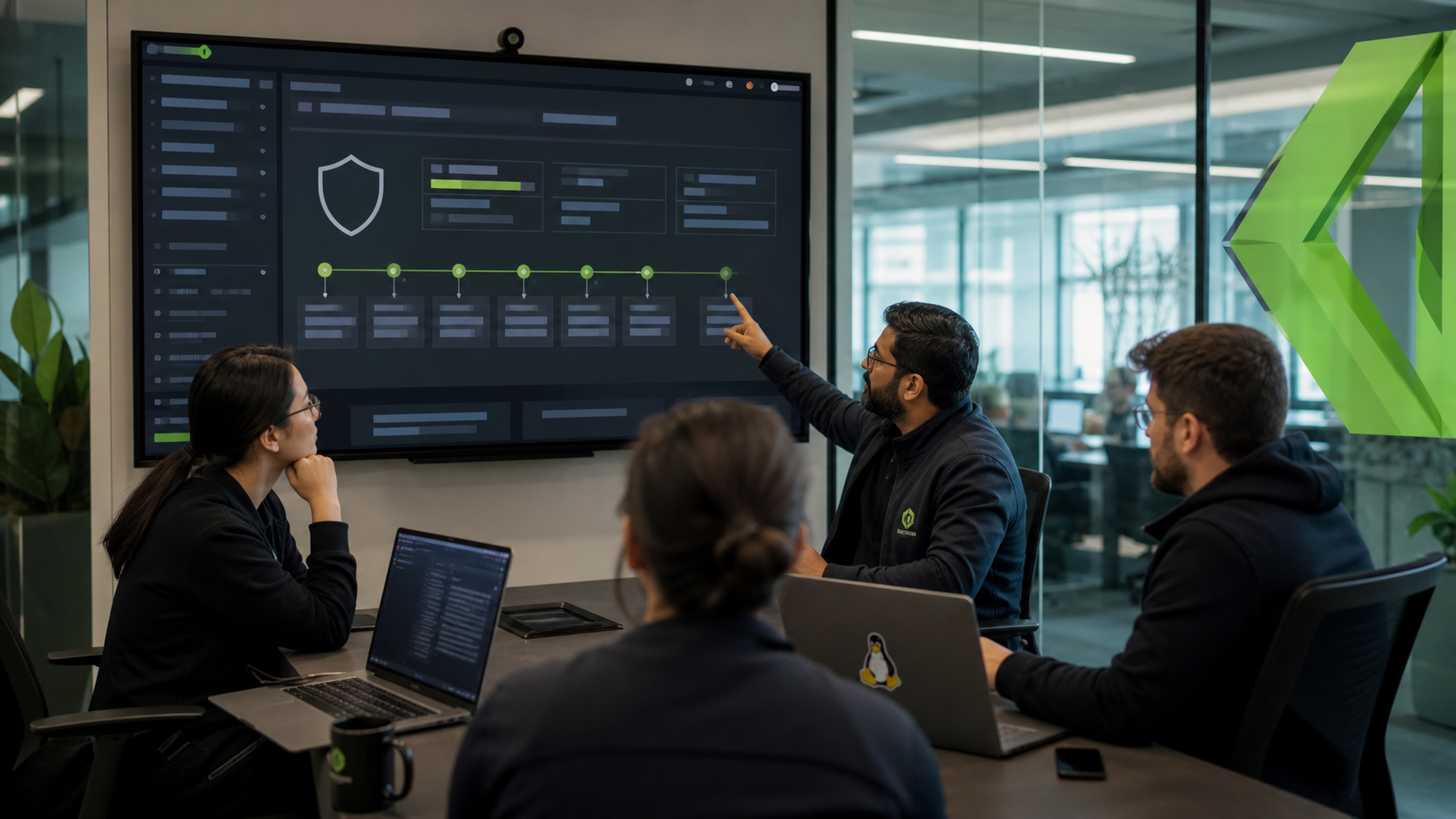
A week after its formation, the Nvidia-led Open Secure AI Alliance had grown to more than 120 companies and created the Shared AI Findings Exchange, or SAFE. The working group presented proposals for public comment with Linux Foundation support. The early recommendations focus on confidential incident reporting, notifying affected parties, and conducting blame-free analysis so members can learn from AI cybersecurity events.
TechStaged reviewed the reported announcement and supporting public material, then wrote this article as original analysis for readers who need the business and product implications rather than a copied headline.
WHY IT MATTERS
AI incidents rarely stay inside one product boundary. A prompt-injection chain can involve an application, model provider, identity system, cloud platform, and downstream customer. Without common terms and reporting expectations, each company may describe the same event differently and slow down containment. A shared framework can make coordination less dependent on personal contacts.
The wider signal is that technology decisions now connect product strategy with infrastructure, trust, pricing, and operating risk. That makes the second-order effects more important than the announcement alone.
WHAT TO WATCH
Use the announcement as a starting point, not as proof that a market or product has already settled. Track the following signals next:
- Map your incident-response plan to model, agent, tool, data, and identity failure modes.
- Define which AI incidents require vendor notification, customer notice, or regulator engagement.
- Use consistent fields for affected model version, prompt path, permissions, tools called, and data exposure.
- Create a process for sharing indicators without exposing customer secrets or sensitive exploit details.
- Measure time to detection, containment, notification, and remediation for AI-specific incidents.
RISKS AND TRADEOFFS
A voluntary industry framework only helps if its members share useful information and resist turning the process into a marketing badge. Reporting must preserve privacy without becoming so vague that other teams cannot act.
A measured response is to separate confirmed facts from forecasts, define who owns the decision, and keep a reversible pilot or review checkpoint before committing budget or sensitive data.
BOTTOM LINE
Nvidia is positioning AI security as an ecosystem coordination problem. The practical value of OSAA will depend on whether SAFE produces precise, usable incident data.