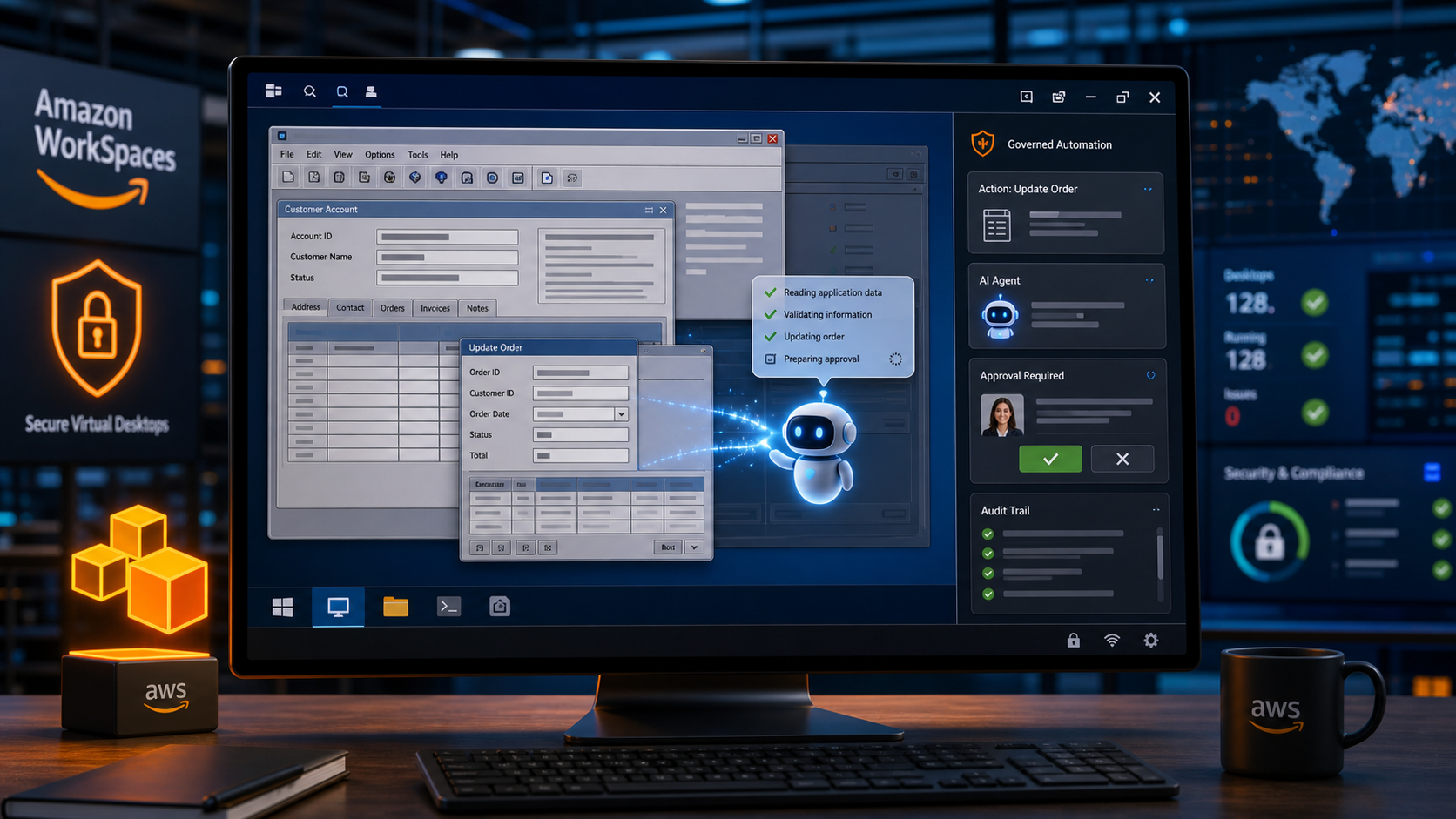
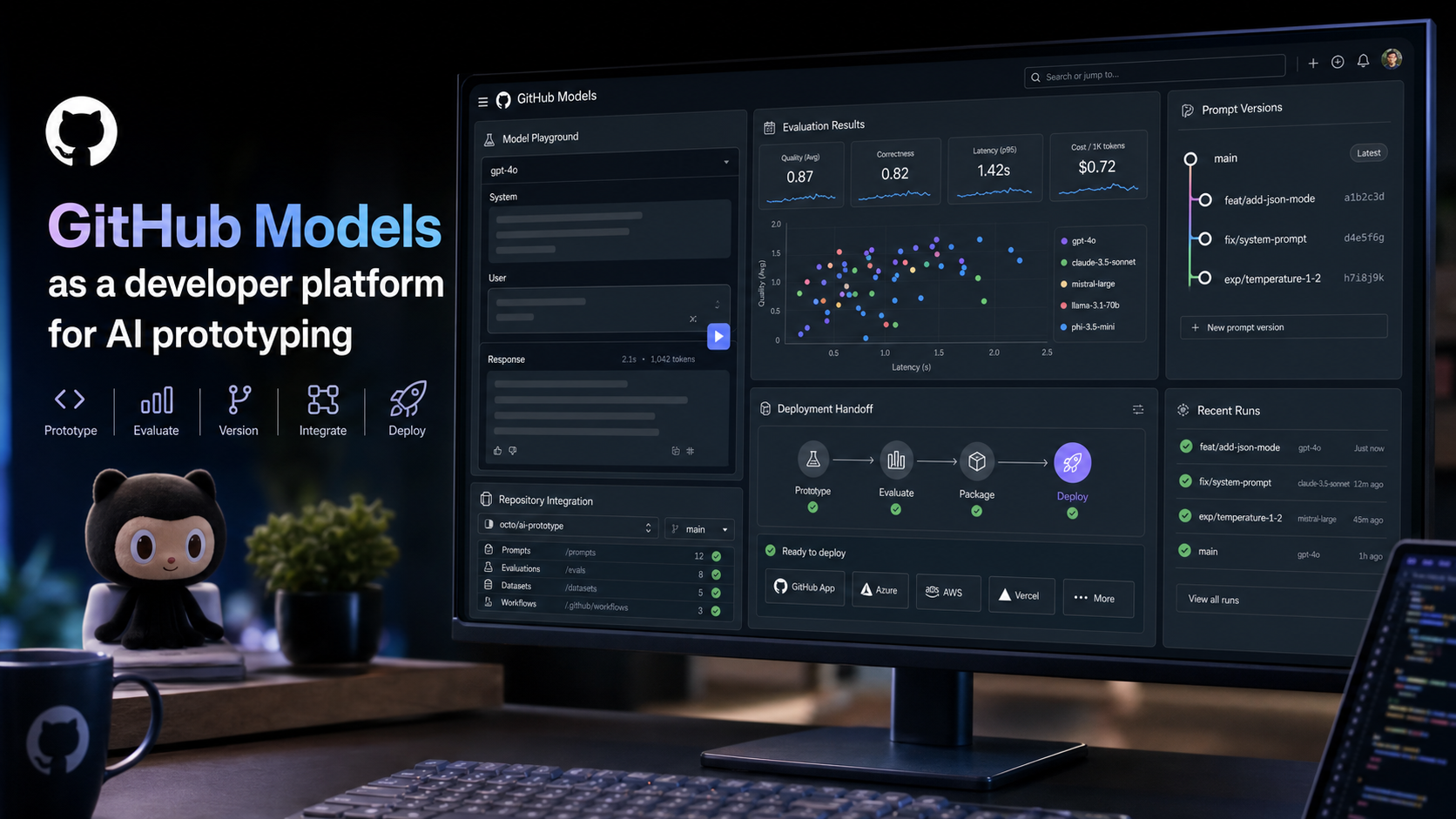
Microsoft is making a clear enterprise AI argument: chat alone will not transform a business. In a June 2, 2026 post, Jay Parikh framed the opportunity as a governed system where agents can execute long-running work across business functions.
The distinction matters. A chatbot answers a question. A platform ties together identity, data, tools, policy, approvals, and monitoring so teams can trust AI in actual operations.
WHAT A SYSTEM NEEDS
An enterprise agent platform needs more than a capable model. It needs access to the right context, permission boundaries, tool calling, audit trails, escalation rules, and a way for humans to approve or stop work.
That is why agent rollouts should be evaluated like business software, not like consumer apps. The implementation question is not just whether the AI can draft an answer. It is whether the organization can govern what happens next.
- Identity: who is asking and what they are allowed to do.
- Context: which data and systems the agent can use.
- Policy: which actions are restricted or require approval.
- Measurement: whether agent work improves speed, quality, and cost.
WHY SMALL TEAMS SHOULD CARE
The language is enterprise-focused, but the lesson applies to smaller companies. As soon as a team lets AI touch customer support, invoices, code, hiring, or internal records, it needs a lightweight version of the same controls.
Small teams do not need a giant governance office. They do need written rules for data access, approval points, and which systems an agent can change.
BUYING CRITERIA
When comparing agent platforms, buyers should ask about logs, permissions, integrations, rollback, model routing, cost reporting, and admin controls. A slick demo that cannot answer those questions is not ready for business-critical work.
The best platform may be the one that makes automation less exciting and more accountable. That is how AI shifts from a pilot to a repeatable operating system.
BOTTOM LINE
Microsoft is right that the enterprise AI race is moving from chatbot access to operating systems for work. The winner for customers will be the platform that combines useful agents with boring, dependable controls.