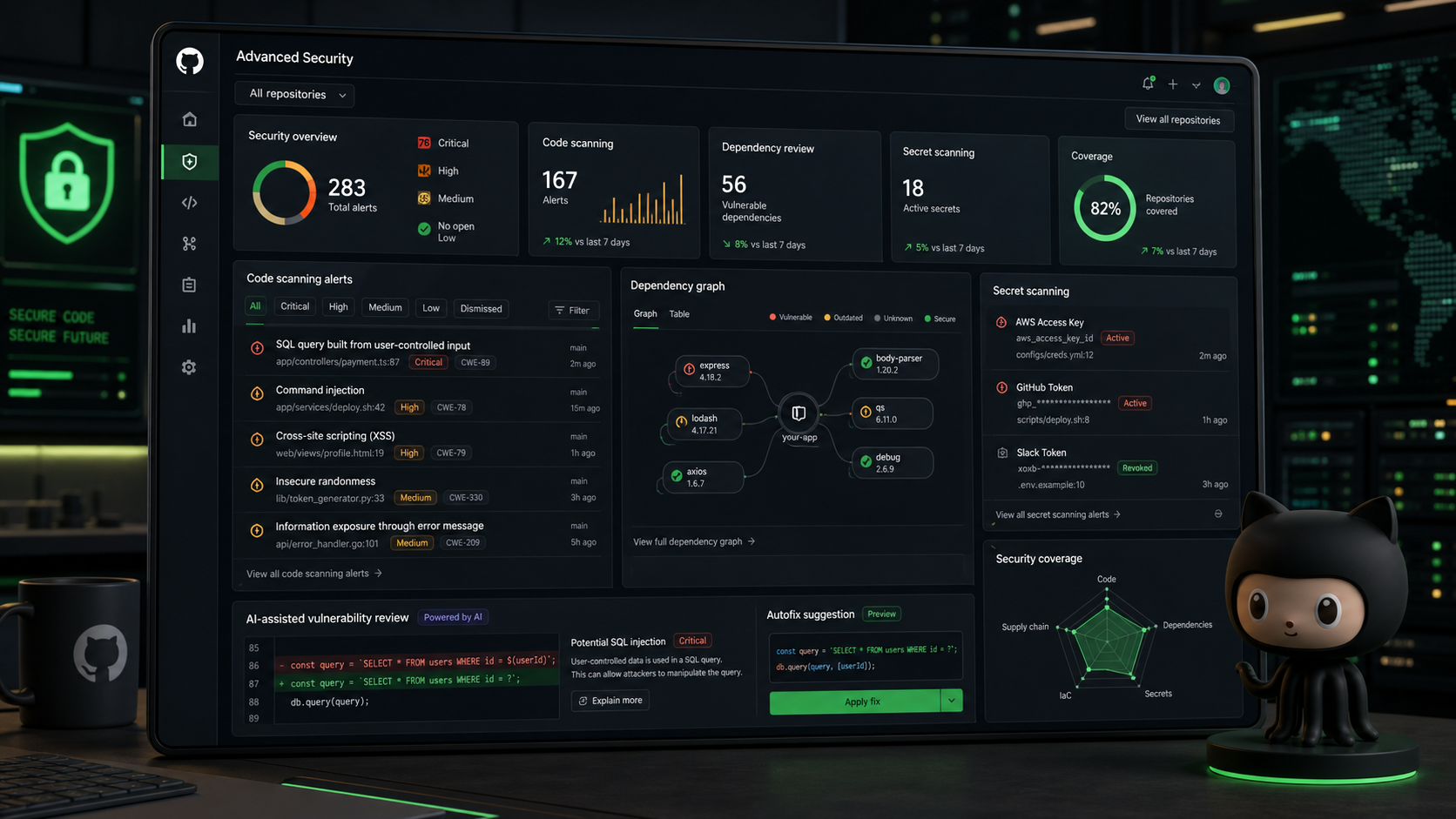
GitHub has updated Copilot pull request workflows with richer PR context in chat and search changes that include Copilot-authored pull requests in author views.
TechStaged reviewed the source material and built this article as original analysis for operators deciding whether the update belongs in their 2026 roadmap.
WHY IT MATTERS
For engineering managers, this matters because agent-created work still needs accountability, ownership, review routing, and reliable searchability.
For buyers, the evaluation should move beyond feature availability. The more important question is whether the update improves a real workflow without creating hidden administration, review, security, or support costs.
TEAM CHECKLIST
Before scaling the update, turn the announcement into an implementation checklist with clear owners.
- Choose one workflow where the feature can be tested with realistic data and user permissions.
- Define the success metric before rollout, such as conversion lift, cycle time, ticket resolution, code review speed, billing accuracy, or creative output volume.
- Review admin controls, audit logs, integration limits, pricing model, support paths, and failure handling.
- Document who can approve automated actions and who can pause the workflow if quality drops.
- Compare the new capability with existing tools so the team does not add another platform without retiring manual work.
RISKS AND TRADEOFFS
The tradeoff is review volume. If agents create more PRs than teams can inspect, throughput gains can become a queue-management problem.
The best adoption pattern is usually a narrow pilot with clear review points. Broad enablement can come later when the team knows how the feature behaves under real workload pressure.
BOTTOM LINE
Treat Copilot PR context as review infrastructure and pair it with ownership rules for agent-authored changes.