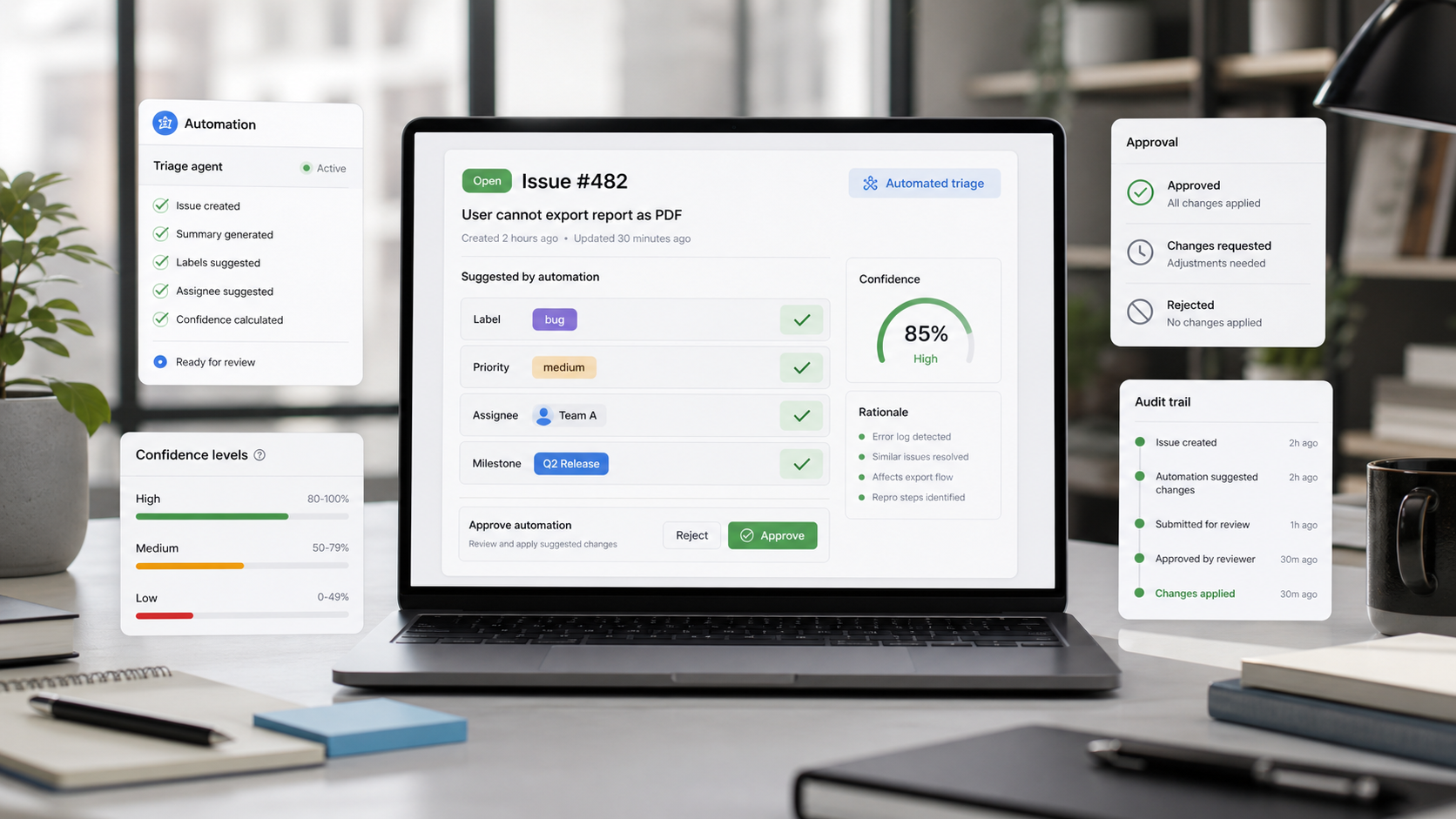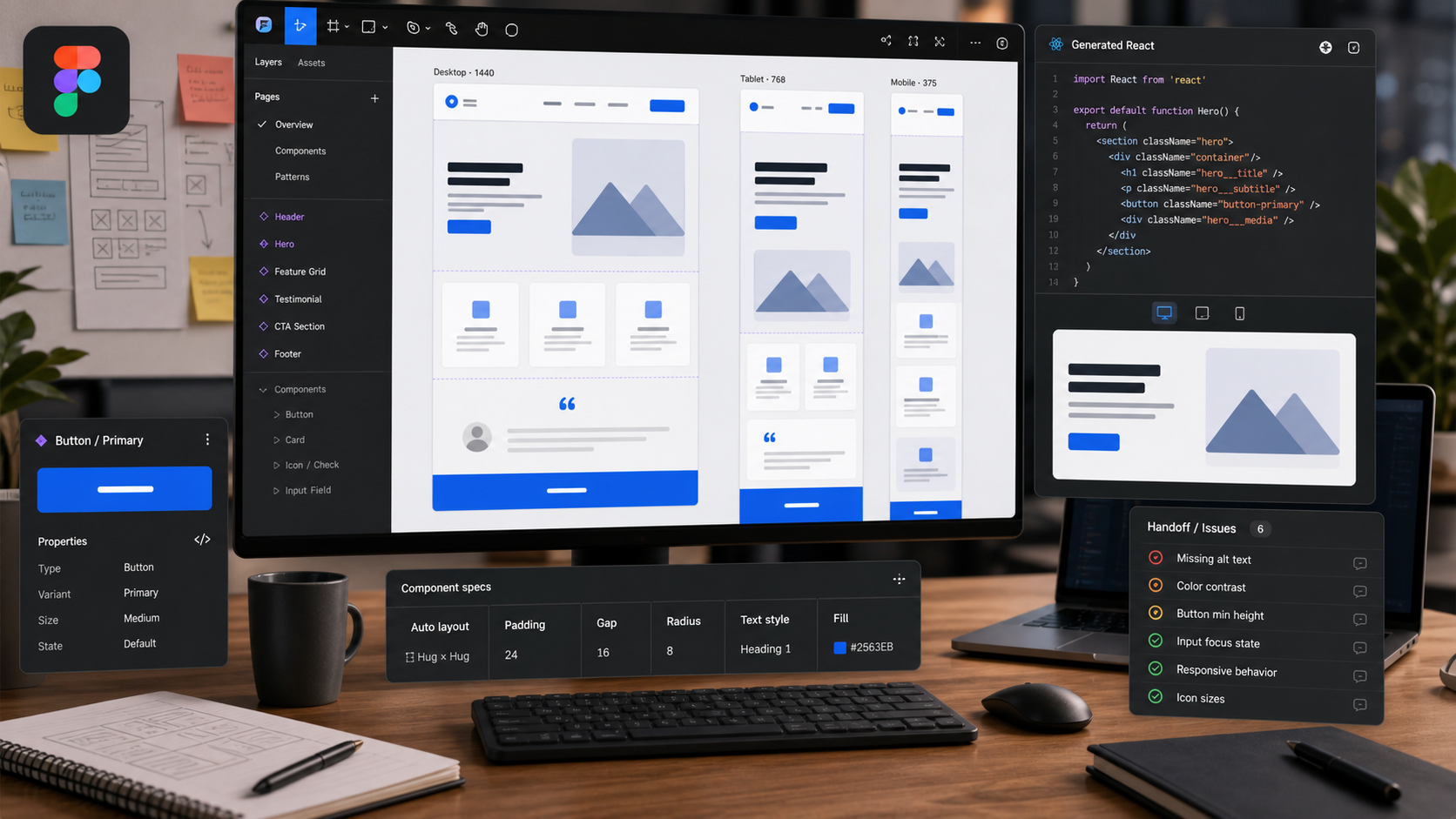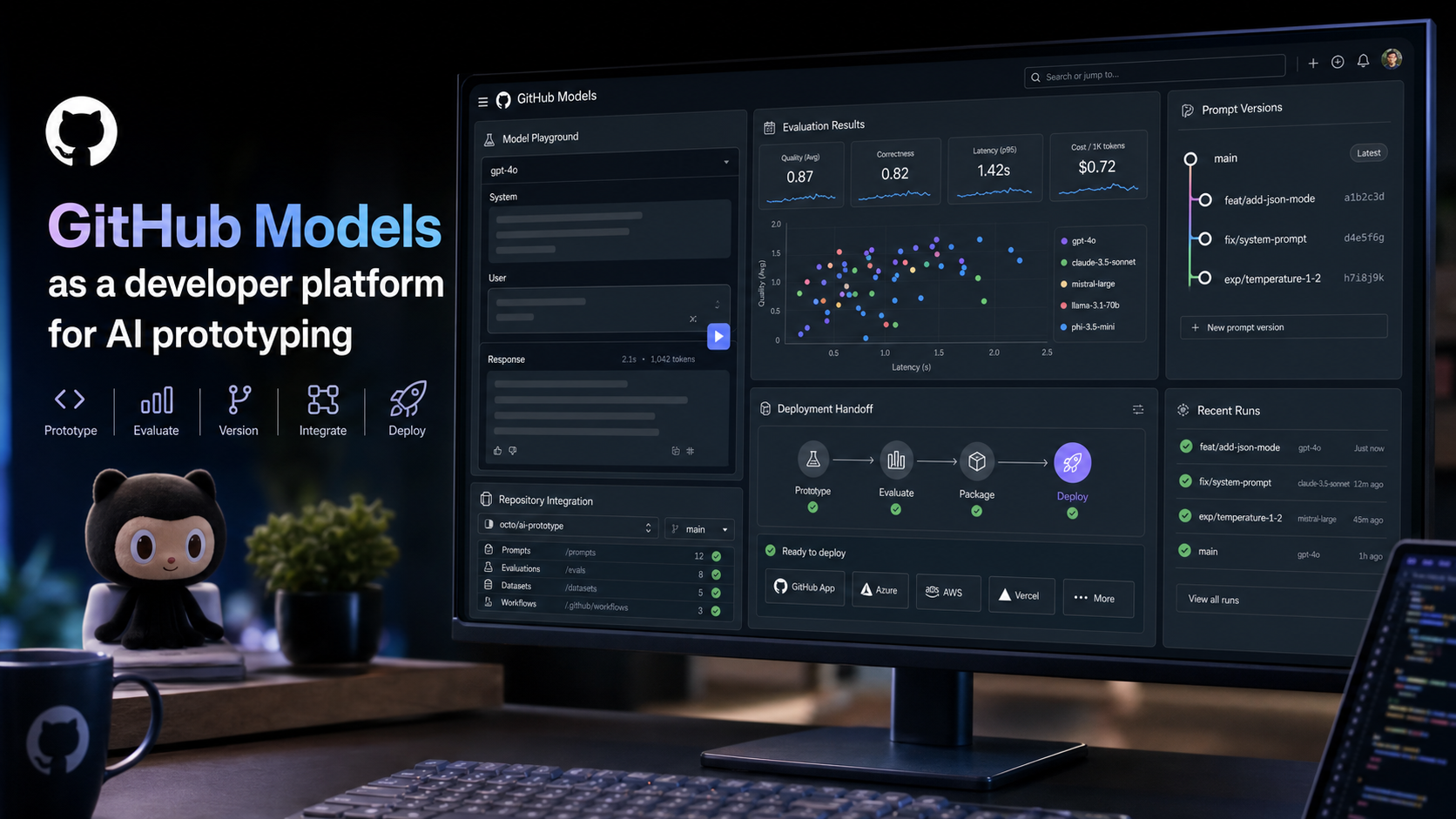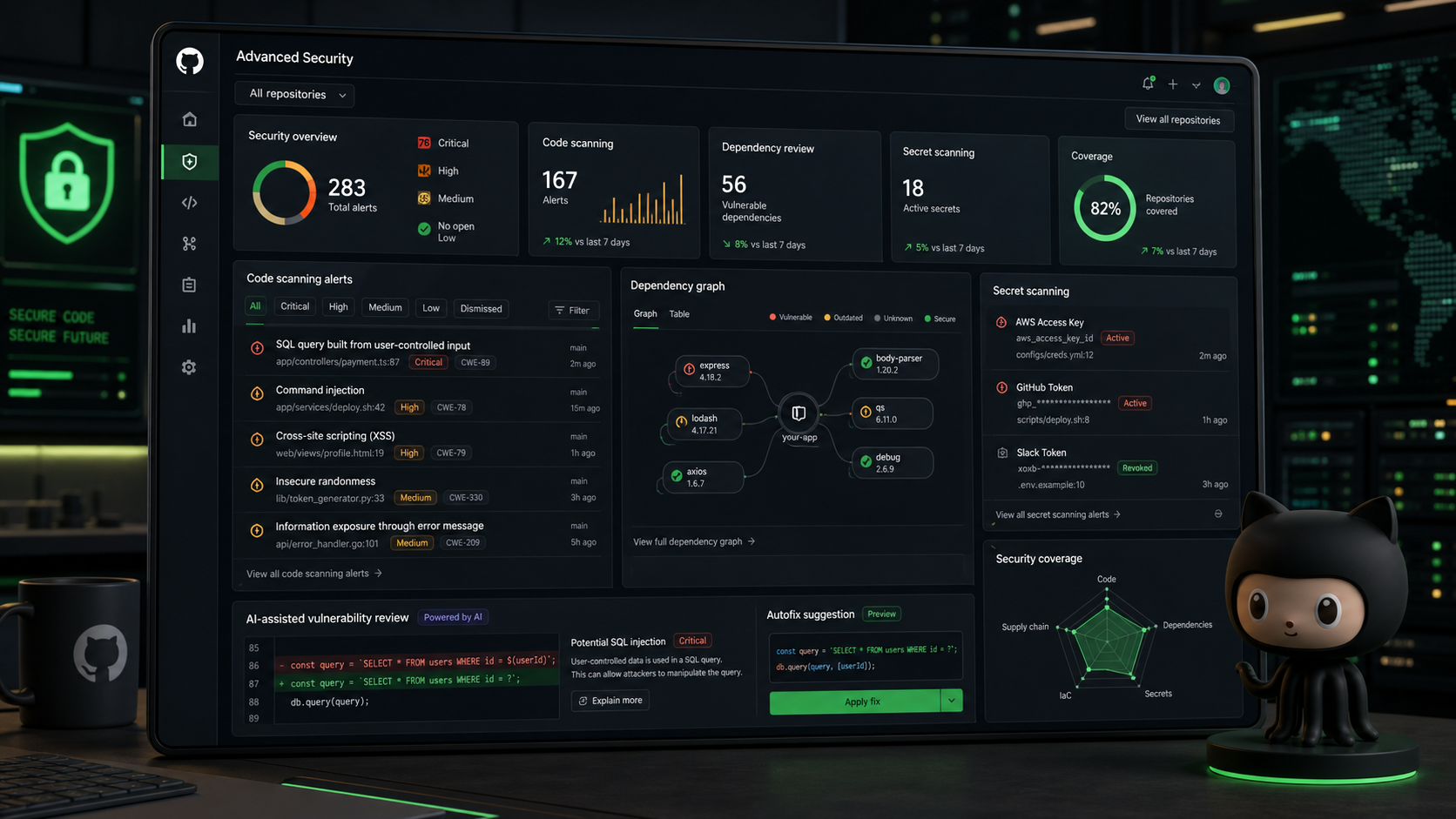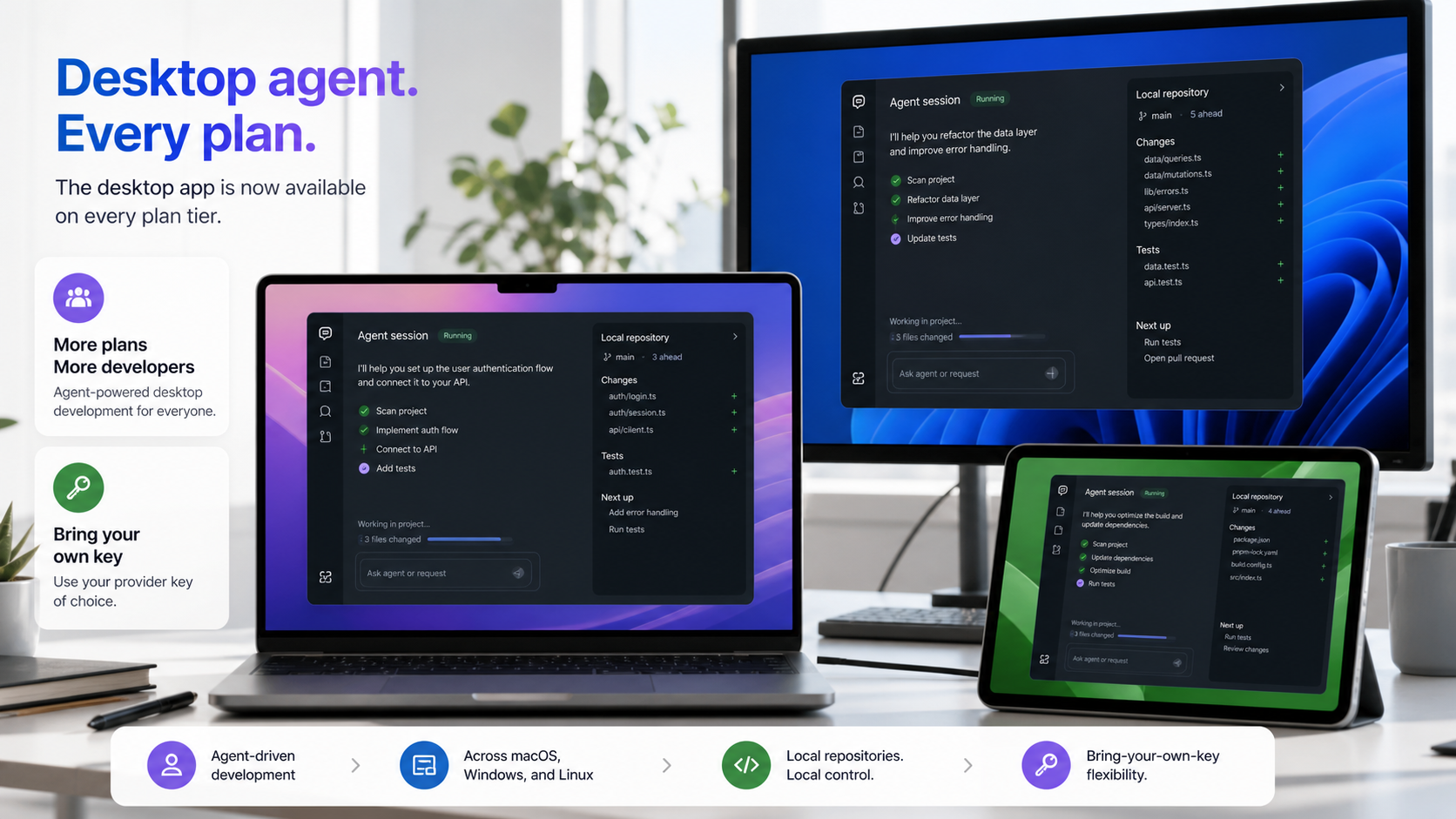
GitHub made the Copilot desktop app available on every Copilot plan on July 7, 2026. The company says users can sign in with a GitHub account and start agent-driven development from macOS, Windows, or Linux.
The announcement also says Copilot Free and GitHub Education are included. For users without a Copilot plan, GitHub says bring-your-own-key support can run sessions against another model provider.
WHY IT MATTERS
Desktop coding agents are becoming a separate workflow from inline code completion. They can inspect a repository, plan changes, edit files, run commands, and guide a multi-step task. Making that surface available to every plan lowers the barrier for students, hobby developers, and small teams.
It also shifts onboarding. A team no longer has to start with a full enterprise rollout to learn whether agent sessions fit their development habits. They can test locally, then decide whether governance, metrics, and organization policy are needed at scale.
ADMIN NOTES
GitHub says Copilot Business and Enterprise users need their organization or enterprise admin to enable Copilot CLI in policy settings. That detail matters because desktop agent access can affect repository workflows, local commands, and model provider choices.
Admins should decide whether personal experimentation is allowed on work repositories and whether BYOK usage creates logging or data-handling gaps. A permissive desktop app can be useful, but not if it bypasses the governance model already used for cloud development tools.
GOOD FIRST TESTS
Start with low-risk repositories and tasks that have clear acceptance criteria. Documentation updates, small refactors, test additions, and issue reproduction are better first tests than large architectural changes.
Developers should compare the app against their existing editor assistant. The desktop agent is valuable when it can manage a complete task, not merely when it writes a few lines of code.
BOTTOM LINE
The release makes agent-driven desktop development easier to try. The serious work now is deciding which repositories, policies, model providers, and review rules should govern those sessions once experiments become team workflows.