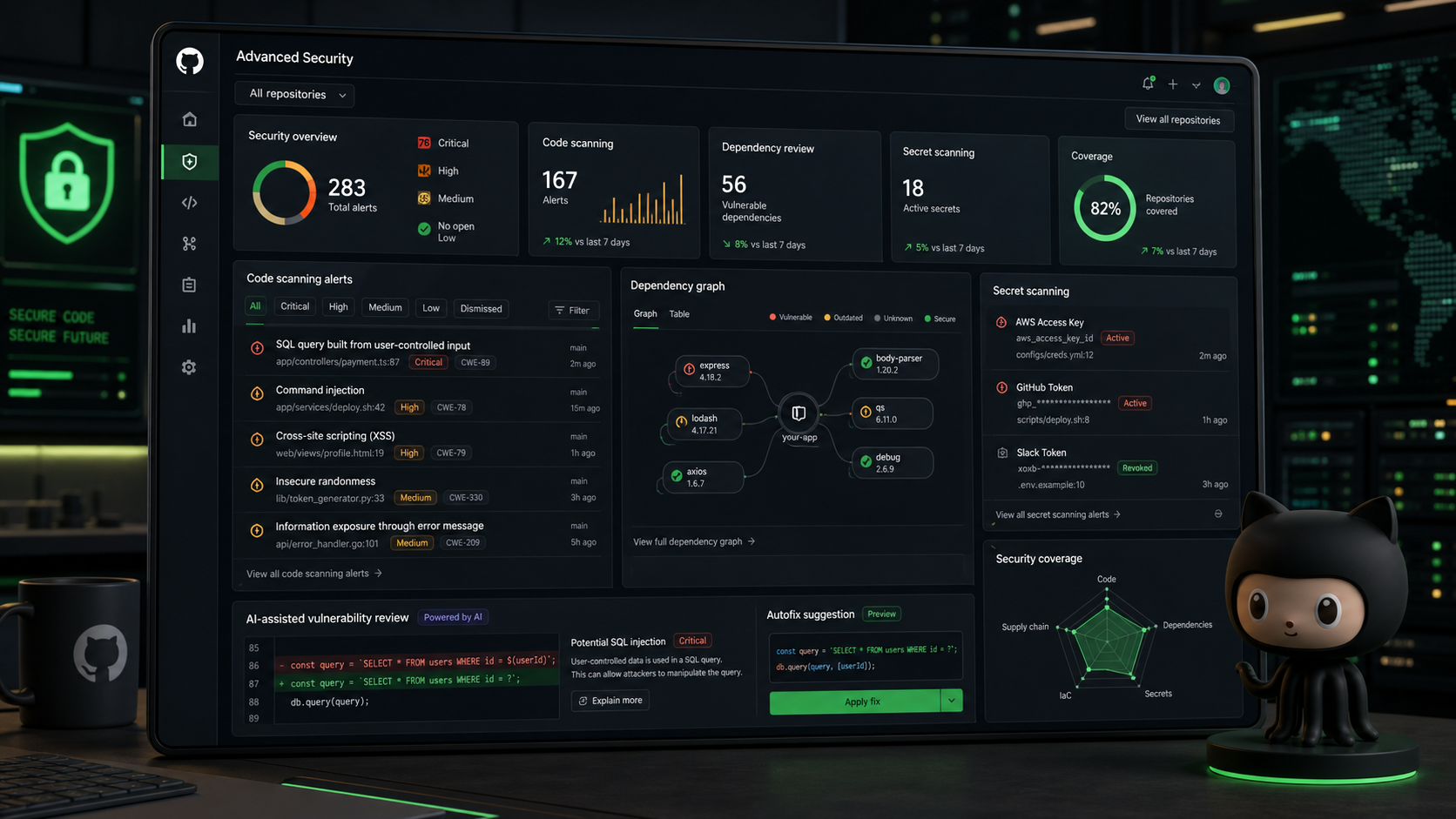
GitHub announced that certain workflow runs in public repositories will be held until a collaborator with write access approves them. The change responds to supply-chain attacks in which compromised GitHub credentials were used to push workflows that stole CI/CD credentials or performed follow-on attacks.
TechStaged reviewed the company announcement and relevant reporting, then built this article as original analysis for readers who need to understand the operational impact rather than repeat a launch checklist.
WHY IT MATTERS
CI workflows are privileged automation, not ordinary source files. A malicious change can execute in a trusted runner, read secrets, publish packages, or alter releases before a reviewer notices. A targeted hold gives maintainers a chance to inspect suspicious activity before it starts.
The broader shift is that technology decisions now affect budgets, permissions, customer expectations, and team habits at the same time. A useful evaluation therefore considers the full workflow, not only the headline feature.
WHAT TEAMS SHOULD CHECK
Before adopting the update, convert the news into a small implementation brief with an owner, a test case, and a rollback plan.
- Review workflow permissions and set read-only defaults where write access is not required.
- Pin third-party actions to reviewed commit SHAs or trusted release policies.
- Use short-lived OIDC credentials instead of long-lived secrets for cloud and package publishing.
- Require approval for untrusted forks, bot-generated pull requests, and unusual workflow changes.
- Monitor runner logs and package publishing events for activity that does not match normal releases.
RISKS AND TRADEOFFS
Approval gates add a useful pause but can become a rubber stamp if reviewers do not know what changed or what the workflow can access. Teams should pair the feature with visible permission and dependency context.
A narrow pilot is usually the fastest way to expose those tradeoffs. Start with a workflow where the data, approval path, and success metric are clear, then expand only after the team can explain both the gains and the failure modes.
BOTTOM LINE
GitHub’s workflow hold is a practical supply-chain defense. It should be treated as one layer in a broader CI security model rather than a substitute for secure automation.