A JetBrains study collates experiences from engineering organizations ranging from small software shops to large consultancies. It finds that while individual developers can move faster when aided by AI agents, the same gains rarely scale to teams or organizations.
THREE PATTERNS EMERGE AS TEAMS ADOPT AI AGENTS
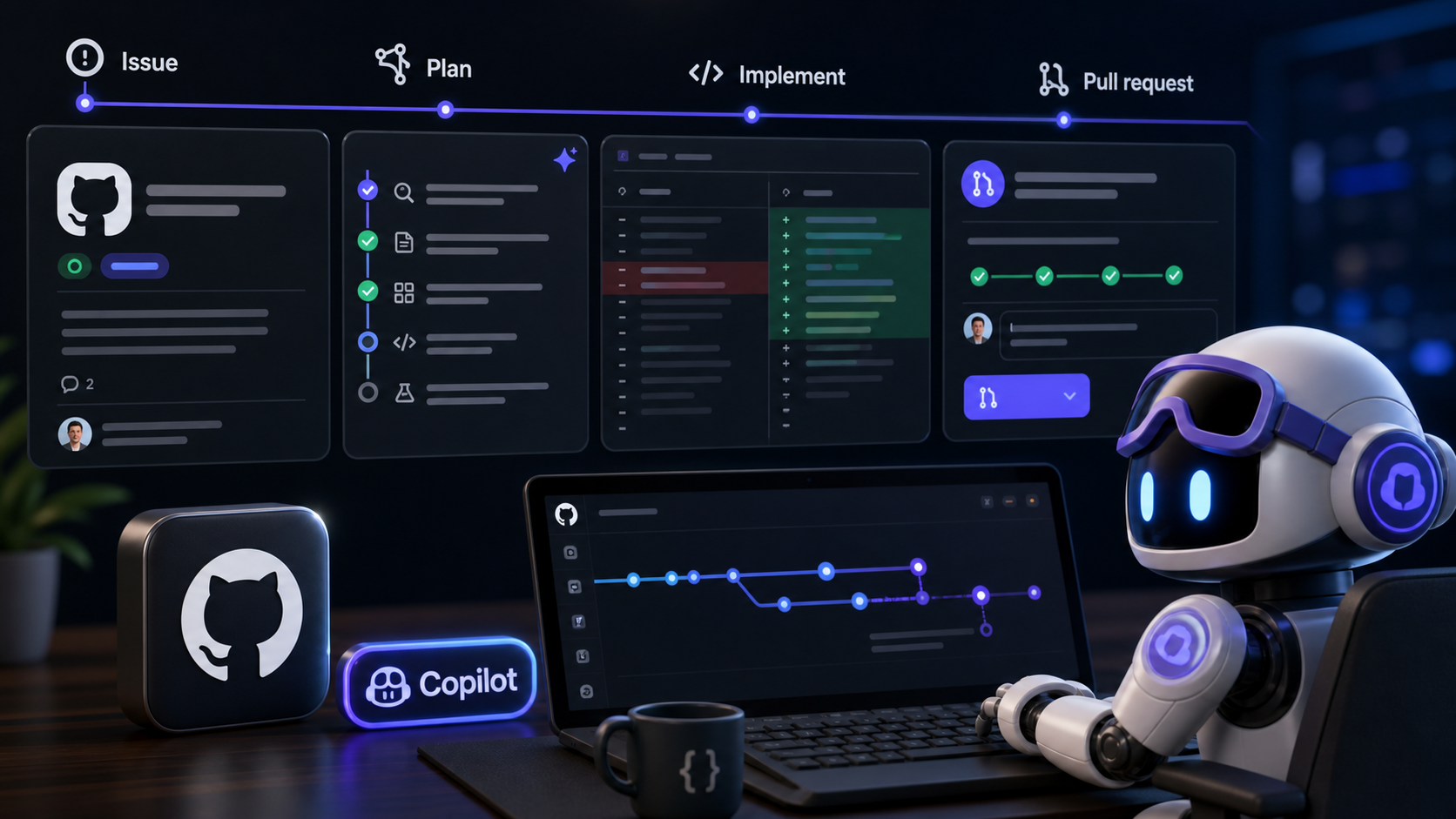
JetBrains describes three recurring scenarios in real-world adoption, each with distinct implications for collaboration, governance, and output quality. TechStaged has also covered GitHub Copilot Cloud Agent Adds Planning Before Pull Requests.
- Everyone has an agent, but there is little shared setup or standardized prompts.
- Implementation is cheap and fast, yet code reviews and planning can erode the perceived gains.
- Automating routine work builds a new operational burden, including maintenance, distribution of updates, and governance across projects.
WHAT THE DATA SUGGESTS ABOUT ADOPTION AND USAGE
From conversations with engineers, the study notes that individual speed gains often do not translate into faster delivery at the team or organizational level. A notable datum from a financial data provider indicates that roughly 80% of engineers use AI agents daily.
JETBRAINS AIR AND AIR TEAMS: A FRAMEWORK FOR TEAM-WIDE WORKFLOW
To address coordination gaps, JetBrains is developing Air Teams, a framework intended to let a configured workflow be run and updated across multiple projects. JetBrains Air, which supports Windows, is being positioned as a vehicle for these team-level automation and governance goals.
- Air Teams aims to share intent, decisions, impact, and verification results to reduce review effort.
- Air now supports integration with multiple AI agents and adds Windows task execution in Docker.
WHY THIS MATTERS FOR DEVELOPERS AND TEAMS
The report emphasizes that the biggest bottlenecks often occur at the team and organizational levels, where visibility, cost, and control determine whether individual speed translates into genuine delivery gains. Shared infrastructure and governance remain key barriers to scaling AI-assisted practices across teams.
WHAT HAPPENS NEXT
JetBrains plans to address the scenarios in subsequent posts, focusing on shared context and skills, agent-output-aligned reviews, and team-owned automations. The goal is to move from “one superstar developer” behavior to a model where successful patterns are understood and adopted by the broader team.
NOTES ON PRODUCTION-READINESS AND SCOPE
The findings are drawn from a range of engineering organizations and underscore that the promise of AI agents hinges on how teams implement, review, and govern automation—not just how fast individual developers can work.
RELATED COVERAGE
- GitHub Copilot Cloud Agent Adds Planning Before Pull Requests
- GitHub Copilot Usage-Based Billing Makes AI Coding a FinOps Problem
- JetBrains releases Kotlin Toolchain 0.13, streamlining Kotlin Multiplatform development with unified CLI and AI-friendly workflows
- Kubernetes shifts to cgroup v2: deprecation of v1 and a roadmap for migration
- Developer Tools articles
SOURCES
- The JetBrains Blog: Faster Developers Don’t Make a Faster Team Published · Primary source