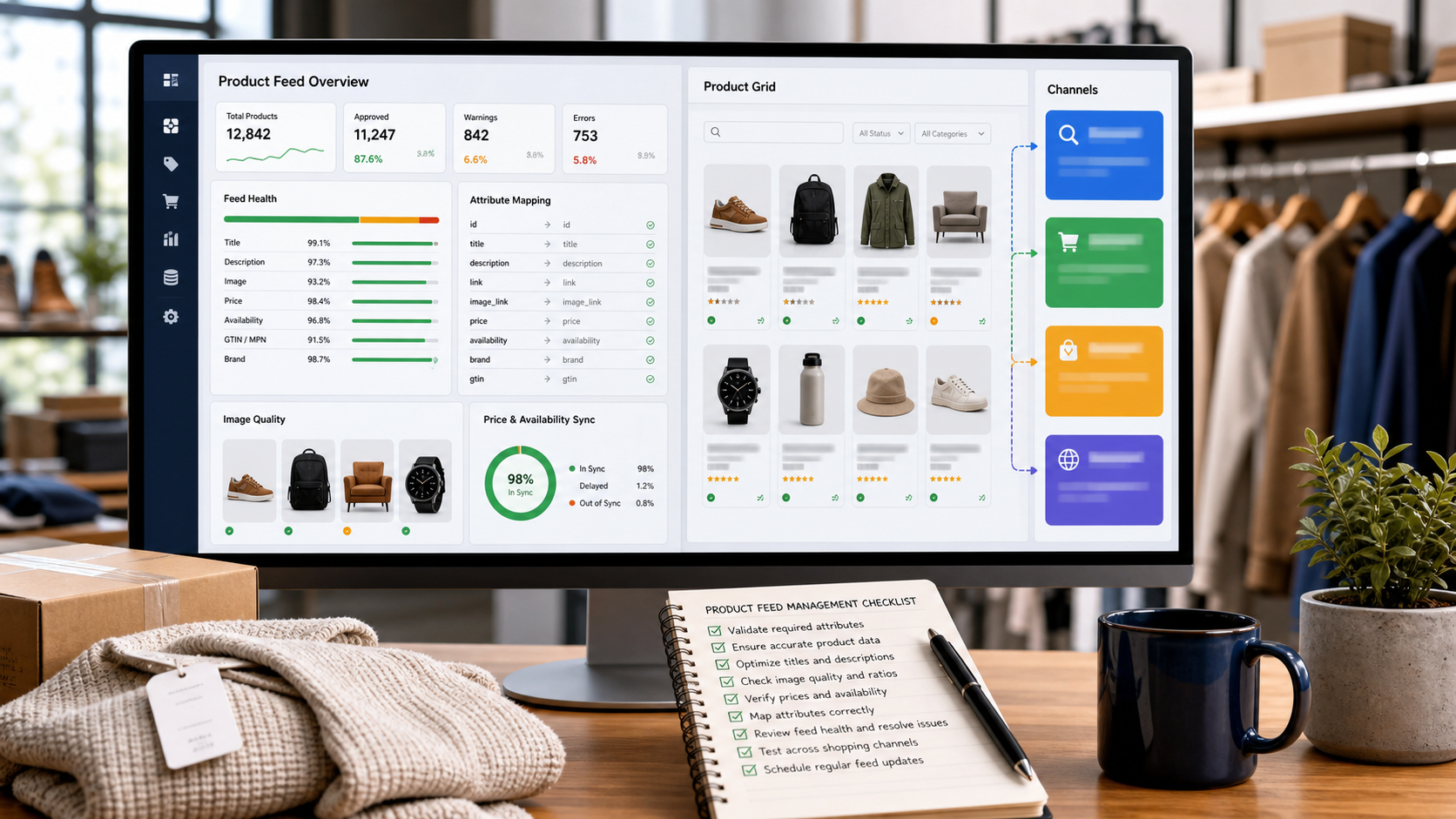
Amazon announced that merchants can join Shop Direct through third-party feeds from providers such as Feedonomics, Salsify, and CEDCommerce. Shoppers can be directed to the merchant’s store or, for eligible products, use Amazon’s Buy for Me experience to complete a purchase on the merchant’s behalf.
TechStaged reviewed the company announcement and relevant reporting, then built this article as original analysis for readers who need to understand the operational impact rather than repeat a launch checklist.
WHY IT MATTERS
Amazon has a large audience that already asks for products, but not every product is sold directly on Amazon. Shop Direct uses that intent to create a marketplace-like discovery layer without requiring a merchant to move its full operation into Amazon’s fulfillment and seller system.
The broader shift is that technology decisions now affect budgets, permissions, customer expectations, and team habits at the same time. A useful evaluation therefore considers the full workflow, not only the headline feature.
WHAT TEAMS SHOULD CHECK
Before adopting the update, convert the news into a small implementation brief with an owner, a test case, and a rollback plan.
- Audit feed fields for titles, identifiers, prices, inventory, shipping, returns, images, and regional availability.
- Understand whether Amazon redirects customers or completes the order through an agentic purchase flow.
- Set rules for products that should not be exposed to external discovery or automated purchase.
- Compare feed maintenance and channel fees with the incremental traffic and conversion value.
- Make customer-service ownership clear when an order begins in Amazon but finishes on another store.
RISKS AND TRADEOFFS
External discovery can drive sales while weakening the merchant’s direct customer relationship and making support attribution harder. Feed errors can also create customer disappointment at a very large scale.
A narrow pilot is usually the fastest way to expose those tradeoffs. Start with a workflow where the data, approval path, and success metric are clear, then expand only after the team can explain both the gains and the failure modes.
BOTTOM LINE
Shop Direct is a reminder that product feeds are becoming a growth channel. Merchants should join with clean data and a clear view of who owns checkout and support.